As doulas, birth workers, and childbirth education instructors, we will always shout from the rooftops: “THE ANATOMY of the Prenatal Pelvis MATTERS y’all!”
A core pillar of so many of our offerings is “getting to know the pregnant pelvis.” But why does this matter?
Knowledge = Power. Once we learn more about the pregnant body, we have a shared language with care providers.
We get to know our own body patterns, postural patterns, and tendencies. When we meet the body with curiosity and inquiry, we can learn from it.
We can start to notice our unique postural patterns and movement patterns that reinforce those patterns or pave a different way.
Because pain is not necessary. Just because someone is pregnant does NOT mean they need to be in pain. When we learn more about our own bodies, we are more able to advocate for ourselves.
We’ve been teaching prenatal and postnatal yoga for over a decade, and in all these years, we’ve learned that it doesn’t do any good to talk about the pelvic floor if you don’t know where it is!
So our first step is helping folks FIND their pelvic floor and REFLECT on what’s going on. Once you know your anatomy, you can work to create balance in your pelvic floor.
Guide to Finding Your Pelvic Floor:
Feel your glutes. Do you notice the boney points in the middle of each glute? Yay! You've found your "sits bones!"
Start to massage and palpate around those boney points. Between the sits bones is your pelvic floor!
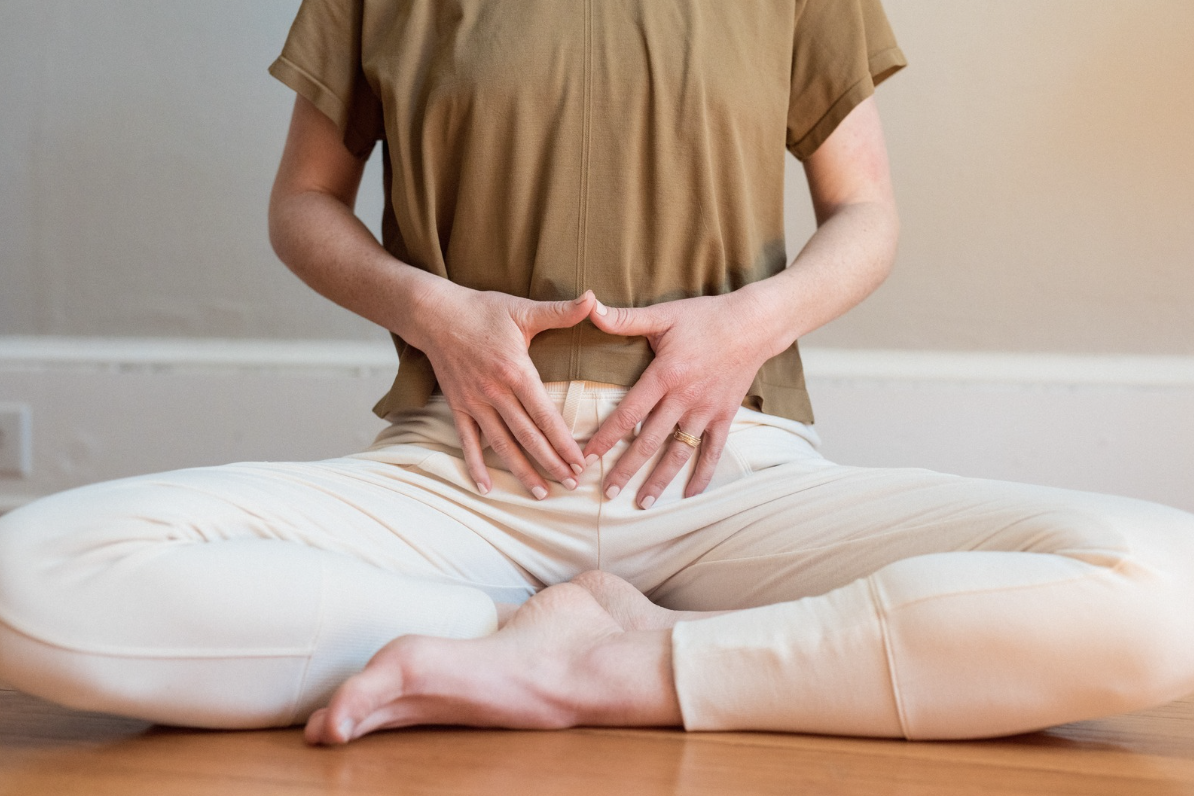
Reflection Questions for Your Exploration:
What's going on down there? What sensations do you feel? Is it tender? Soft? Tense? Tight?
Can you consciously relax those muscles now that you know where the pelvic floor is?
Can you engage and gather those muscles? Does it feel difficult to engage? Does one side feel different than the other?
**Be patient and compassionate with yourself as your pelvis and pelvic floor can hold a lot of emotions, memories, and experiences.
Begin Your Pelvic Floor Work:
Consider this visualization to aid pelvic floor work:
The pelvic floor naturally stretches on the inhalation and draws back up on the exhalation. Imagine the movements of a jellyfish; the fluid motions of dropping and spreading and then gathering and doming as they float through the ocean can help you connect to the synchronicity between breath and your pelvic floor.
Learn to ENGAGE & RELEASE:
INHALE - relax and spread the sits bones to release the pelvic floor
EXHALE - engage the pelvic floor muscles, anal sphincter, and draw the sits bones closer together to engage the pelvic floor
Now, what can you do with this information?
Build body literacy to invite balance!
Are you overly TENSE, or hypertonic, in your pelvic floor?
Or are you LACKING TONE or WEAK (hypotonic) in your pelvic floor?
Practice deep breathing into your pelvis to invite balance. Spend five minutes belly breathing to relax and then gather the pelvic floor - in the car, on the toilet, at your computer - and build that muscle memory!
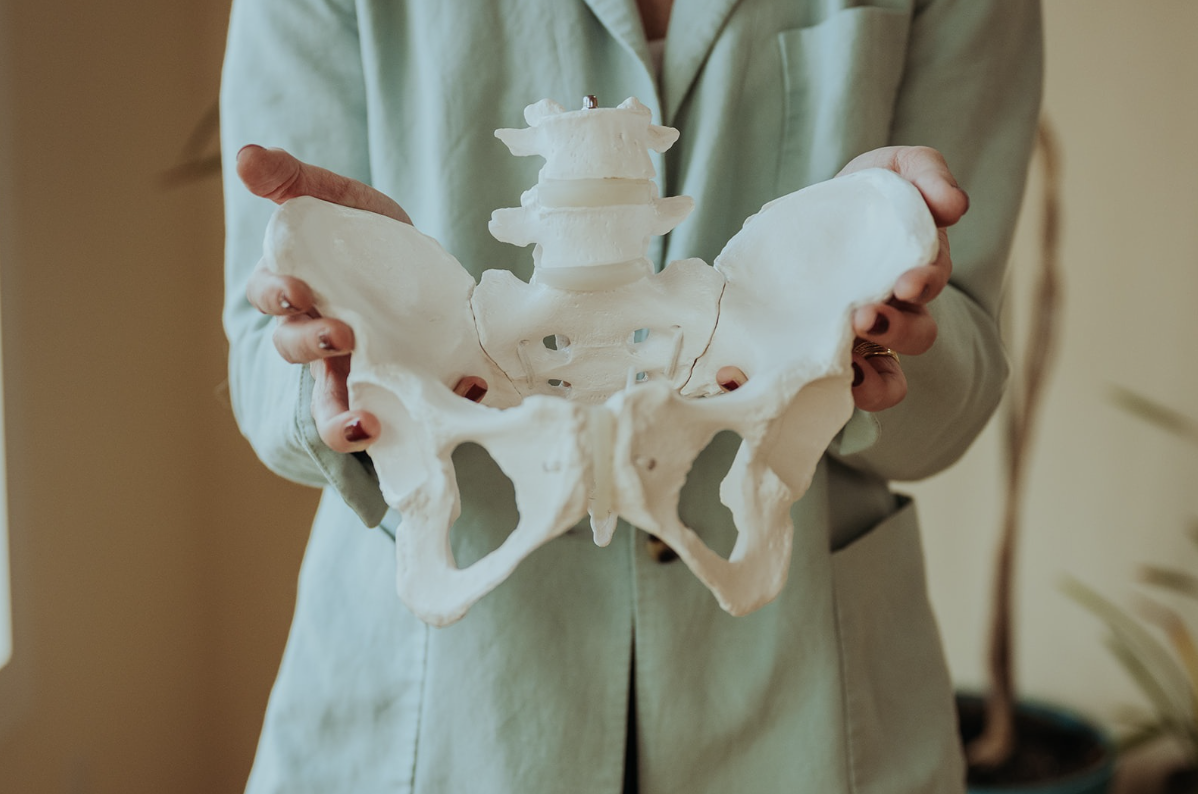
Curious to learn more about your pelvic floor? Join us for ANY of our series (prenatal, postnatal, childbirth ed) for evidence-based education and practices to support your pelvic floor health, or visit your pelvic floor therapist for direct support!